

Warehouse and Inventory Management: Complete Guide for Modern Businesses
Managing inventory becomes increasingly difficult as businesses grow. More products, additional warehouse locations, and higher order volumes create operational challenges that are difficult to manage using spreadsheets or manual stock records. Even small inventory errors can result in delayed deliveries, unnecessary purchases, excess stock, and reduced customer satisfaction.
Warehouse and inventory management solve these challenges by connecting warehouse operations with accurate inventory control. Inventory management ensures stock quantities remain accurate, while warehouse management focuses on how products are received, stored, picked, packed, and dispatched. When these processes work together, businesses gain better inventory visibility, faster warehouse operations, and more reliable order fulfilment.
As warehouse operations become more complex, businesses need a central platform that connects purchasing, inventory, warehouse activities, and reporting. Implementing Inventory Management Software Dubaiallows every department to work with the same real-time inventory information, reducing manual work and improving operational efficiency.
Modern warehouse operations also benefit from technologies such as barcode scanning, warehouse tracking, and RFID, which improve inventory accuracy and provide greater visibility throughout the supply chain. Choosing the right warehouse and inventory management approach helps businesses build an operation that supports both current requirements and future growth.
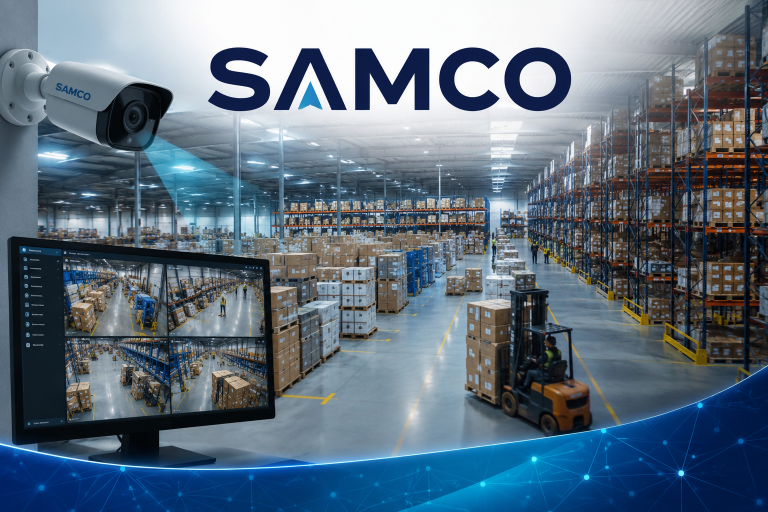
What Is Warehouse and Inventory Management?
Warehouse and inventory management are closely connected, but they serve different purposes within a business. Understanding how they work together helps organizations improve inventory accuracy, warehouse productivity, and customer service.
Inventory management focuses on controlling stock throughout its lifecycle. It involves monitoring inventory levels, tracking stock movement, managing replenishment, and ensuring the right products are available when needed. Accurate inventory records help businesses avoid stock shortages, reduce excess inventory, and make better purchasing decisions.
Warehouse management focuses on the physical movement of inventory inside the warehouse. It manages receiving, storage, put-away, picking, packing, shipping, and returns. The objective is to organize warehouse operations so products can be located quickly, handled efficiently, and delivered without delays.
Although these functions are different, they depend on one another. A warehouse cannot operate efficiently if inventory records are inaccurate, and inventory data loses value if warehouse processes are slow or poorly organized. Businesses achieve the best results when warehouse activities and inventory information are connected through a single Warehouse Management System, allowing inventory movements to update automatically as products move through the warehouse.
Many businesses also combine warehouse operations with Inventory Management Software Dubai to connect purchasing, inventory control, warehouse activities, and reporting. This creates a single source of accurate information that supports faster decision-making across purchasing, sales, warehouse operations, and management.
As warehouse operations expand, maintaining real-time visibility becomes increasingly important. Businesses handling larger inventory volumes often implement a Warehouse Tracking System to monitor product movement, improve stock visibility, and reduce the time required to locate inventory within the warehouse.
When warehouse management and inventory management operate as one connected process, businesses gain greater operational control, improve inventory accuracy, and create a more efficient supply chain.
Why Warehouse and Inventory Management Are Important
Warehouse and inventory management play a critical role in maintaining smooth business operations. Every product received, stored, moved, and shipped affects inventory accuracy, customer satisfaction, and operational costs. When warehouse activities and inventory records are not aligned, businesses often experience stock shortages, delayed deliveries, misplaced products, and unnecessary inventory purchases.
Accurate inventory information helps purchasing teams order the right products at the right time, while warehouse staff can quickly locate and process inventory without unnecessary delays. This coordination improves daily operations and reduces time spent correcting inventory discrepancies or searching for missing stock.
Warehouse efficiency is equally important. Well-organized storage locations, structured picking routes, and controlled inventory movement reduce order processing time and improve productivity. Businesses managing growing warehouse operations often implement a Warehouse Tracking System to monitor inventory movement, identify product locations, and maintain real-time warehouse visibility. This allows warehouse teams to process orders faster while reducing picking errors.
As inventory volume increases, businesses also require better coordination between purchasing, warehouse operations, sales, and reporting. Integrating these activities through Inventory Management Software Dubai creates a single source of accurate inventory information, helping every department work with the same real-time data instead of relying on separate spreadsheets or manual updates.
Organizations handling larger warehouse environments can further improve operational efficiency by implementing a Warehouse Management System. This helps standardize receiving, put-away, storage, picking, packing, and dispatch while supporting consistent warehouse processes across multiple locations.
Businesses that manage warehouse operations and inventory as one connected process are better prepared to reduce operating costs, improve customer service, and support future business growth without losing control over inventory.
How Warehouse and Inventory Management Work Together
Warehouse and inventory management are most effective when they operate as a single process. Every inventory movement inside the warehouse should immediately update inventory records, allowing businesses to maintain accurate stock information while improving warehouse efficiency. When these activities are disconnected, inventory discrepancies, delayed order processing, and unnecessary operational costs become common.
The process begins when products arrive at the warehouse. During receiving, quantities are verified against purchase orders and products are inspected before being accepted into inventory. Once approved, inventory records are updated and products are assigned to designated storage locations. A Warehouse Management System helps organize this process by directing where products should be stored, reducing congestion and improving space utilization.
As products move through the warehouse, inventory information continues to change. Stock transfers, replenishment, order picking, packing, and dispatch all affect available inventory. A Warehouse Tracking System records these movements in real time, giving warehouse teams accurate visibility into product locations and current stock availability. This reduces the time spent searching for inventory while improving picking accuracy and order fulfilment.
The updated inventory information is then shared across purchasing, sales, finance, and management through Inventory Management Software Dubai. Purchasing teams can identify products that need replenishment, sales teams can confirm stock availability with confidence, and managers can access accurate inventory reports for planning and decision-making.
By connecting warehouse activities with inventory records, businesses create a continuous flow of accurate information. This improves warehouse productivity, reduces manual intervention, prevents stock discrepancies, and helps maintain efficient operations as inventory volumes continue to grow.
Benefits of Warehouse and Inventory Management
Warehouse and inventory management create a structured process that improves inventory accuracy, warehouse productivity, and operational efficiency. When warehouse activities and inventory records are managed together, businesses spend less time correcting inventory errors and more time fulfilling customer orders. The result is a more reliable operation that supports business growth without increasing unnecessary costs.
Improve Inventory Accuracy
Accurate inventory records help businesses know exactly what products are available, where they are stored, and when they need replenishment. This reduces stock shortages, prevents overstocking, and minimizes inventory discrepancies that often occur with manual tracking. Reliable inventory information also supports better purchasing decisions and improves customer confidence.
Increase Warehouse Efficiency
Warehouse teams perform better when products are stored in organized locations and inventory movements follow a structured process. Faster receiving, put-away, picking, packing, and dispatch reduce order processing time while allowing employees to handle larger inventory volumes with greater accuracy. Businesses using a Warehouse Management System can standardize these warehouse processes and improve overall operational efficiency.
Improve Inventory Visibility
Real-time inventory visibility allows warehouse staff and managers to locate products quickly, monitor stock movement, and respond to inventory issues before they affect customer orders. A Warehouse Tracking System provides continuous visibility into inventory movement, helping businesses maintain better control across one or multiple warehouse locations.
Reduce Operating Costs
Inventory inaccuracies often lead to emergency purchasing, excess inventory, unnecessary warehouse space, and additional labour costs. A connected warehouse and inventory management process reduces these avoidable expenses by improving inventory control and reducing manual intervention.
Better Business Decisions
Accurate inventory information supports every department within the business. Purchasing teams can reorder products at the right time, warehouse managers can monitor inventory performance, and business leaders can analyse stock trends using reliable reports. Integrating these activities through Inventory Management Software Dubaiprovides a centralized view of inventory, purchasing, warehouse operations, and reporting.
Businesses that invest in effective warehouse and inventory management are better positioned to improve operational performance, increase customer satisfaction, and support long-term business growth.
Warehouse and Inventory Management vs Manual Management
Many businesses begin with spreadsheets, paper records, or basic inventory registers because they are simple to use and require little investment. As inventory grows, however, these methods become difficult to manage. Multiple warehouse locations, increasing order volumes, and frequent inventory movement make manual tracking less reliable and more time-consuming.
In a manual process, inventory updates depend on employees entering information correctly after every receiving, transfer, sale, or dispatch. Missing or delayed updates often lead to inaccurate stock levels, duplicate purchases, misplaced inventory, and delays in order fulfilment. Finding products inside the warehouse can also become challenging because storage locations are not always recorded or updated consistently.
Warehouse and inventory management replace these manual activities with a connected process. Inventory is updated as products move through receiving, storage, picking, packing, and dispatch. Warehouse teams work with accurate inventory information, while purchasing and sales departments have access to the same real-time stock data. This reduces manual effort, improves warehouse productivity, and supports faster customer service.
Businesses that implement Barcode Inventory Management further simplify daily warehouse operations by replacing manual stock recording with barcode scanning. For larger warehouses, integrating a Warehouse Tracking System provides real-time visibility into product movement and storage locations, making inventory easier to locate and manage.
The goal is not simply to replace spreadsheets—it is to create an inventory process that remains accurate, efficient, and scalable as the business continues to grow.
Barcode vs RFID in Warehouse and Inventory Management
Barcode and RFID are two widely used technologies for improving warehouse and inventory management. Both help businesses track inventory, reduce manual errors, and improve warehouse visibility, but they operate differently and are suited to different operational requirements.
A Barcode Inventory Managementsystem uses printed barcode labels that are scanned individually with a barcode scanner or mobile device. Each scan updates inventory records, making barcode technology a practical solution for businesses looking to improve inventory accuracy without making a significant investment. It is commonly used in retail, wholesale, manufacturing, and warehouse operations where inventory can be scanned during receiving, storage, picking, and dispatch.
An RFID Inventory Tracking System uses radio frequency tags that communicate with RFID readers. Unlike barcode scanning, RFID does not require every item to be scanned individually. Multiple tagged items can be identified automatically, making RFID well suited to large warehouses, distribution centres, and businesses that process high volumes of inventory every day.
The right technology depends on your warehouse operations, inventory volume, and long-term business goals. Many businesses begin with barcode technology because it is cost-effective and easy to implement. As warehouse operations become more complex and automation requirements increase, RFID can provide greater efficiency by reducing manual scanning and improving real-time inventory visibility.
Before implementing either technology, businesses should also follow internationally recognised barcode standards to ensure consistent product identification across suppliers and warehouse operations.
Before implementing either technology, businesses should follow GS1 Standards to ensure barcode labels meet internationally recognised identification standards and support efficient inventory management.
Essential Features of an Effective Warehouse and Inventory Management Solution
Choosing the right warehouse and inventory management solution involves more than comparing software features. The system should support daily warehouse operations, improve inventory accuracy, and provide the flexibility to grow with your business. A well-designed solution simplifies inventory control while helping warehouse teams work faster and more efficiently.
Real-Time Inventory Visibility
Inventory information should update immediately whenever products are received, transferred, picked, or dispatched. Real-time visibility allows businesses to monitor stock levels accurately, respond to inventory changes quickly, and reduce the risk of stock shortages or overstocking.
Multi-Warehouse Management
Businesses operating multiple warehouses need centralized control over inventory across every location. The ability to transfer stock, monitor inventory levels, and view warehouse performance from a single platform improves coordination and reduces inventory discrepancies.
Barcode and RFID Integration
Modern warehouse operations rely on fast and accurate product identification. A solution that supports Barcode Inventory Management improves receiving, picking, and stock verification, while businesses with larger warehouse environments can integrate an RFID Inventory Tracking System to automate inventory tracking and improve warehouse visibility.
Warehouse Workflow Management
Efficient warehouse operations depend on structured workflows for receiving, put-away, picking, packing, and dispatch. A Warehouse Management System helps organize these activities, reducing delays while improving productivity and order fulfilment accuracy.
Reporting and Business Insights
Inventory reports provide valuable information about stock movement, inventory turnover, reorder levels, warehouse performance, and product demand. Businesses can use these insights to improve purchasing decisions, reduce carrying costs, and plan future inventory requirements with greater confidence.
Integration with Business Operations
Warehouse information should be connected with purchasing, sales, finance, and inventory records. Integrating warehouse activities through Inventory Management Software Dubai ensures every department works with the same real-time information, reducing manual updates and improving operational efficiency across the business.
Selecting a solution with these capabilities provides a strong foundation for improving warehouse performance today while supporting future business growth.
Industries That Benefit from Warehouse and Inventory Management
Warehouse and inventory management are used across many industries because every business depends on accurate inventory information and efficient warehouse operations. Although inventory requirements vary by industry, the objective remains the same—maintain inventory accuracy, improve warehouse productivity, and ensure products are available when customers need them.
Retail
Retail businesses manage frequent inventory movement, seasonal demand, and large product catalogues. Warehouse and inventory management help maintain accurate stock levels, improve replenishment, and reduce stock shortages. Real-time inventory visibility also enables retailers to fulfil customer orders faster while improving inventory control across multiple stores or warehouses.
Wholesale and Distribution
Wholesalers process large quantities of inventory every day. Receiving shipments, organizing storage, picking customer orders, and dispatching products require accurate inventory information. A Warehouse Tracking System helps warehouse teams monitor inventory movement, locate products quickly, and improve order fulfilment efficiency across distribution centres.
Manufacturing
Manufacturers manage raw materials, work-in-progress inventory, and finished goods throughout the production process. Effective warehouse and inventory management improve material availability, reduce production delays, and support better inventory planning. Businesses with production-focused operations often implement Manufacturing Inventory Management Software to maintain inventory accuracy from raw materials to finished products.
Factory Operations
Factories manage production materials, spare parts, packaging supplies, and finished inventory. Poor inventory control can interrupt production schedules and increase operating costs. Factory Inventory Management Softwarehelps factories maintain organized inventory, improve material availability, and support efficient warehouse operations throughout the production cycle.
Logistics and Third-Party Warehousing
Logistics providers handle inventory for multiple customers while managing continuous inbound and outbound shipments. Accurate warehouse operations are essential for maintaining customer service levels, reducing shipping errors, and processing inventory efficiently. Integrating warehouse operations with Inventory Management Software Dubai provides centralized inventory visibility while supporting faster warehouse decision-making.
Regardless of industry, businesses that connect warehouse operations with inventory management improve operational efficiency, reduce inventory errors, and build a stronger foundation for long-term growth.
How to Choose the Right Warehouse and Inventory Management Solution
Selecting a warehouse and inventory management solution is a long-term business decision. The right system should fit your current warehouse operations, improve inventory accuracy, and support future business growth without requiring major process changes. Before comparing software providers, take time to evaluate how your inventory moves through the business and what challenges need to be solved.
Understand Your Warehouse Operations
Start by reviewing your daily warehouse activities. Consider how products are received, stored, transferred, picked, packed, and dispatched. A solution should improve these workflows rather than force employees to follow complicated new processes. Businesses with structured warehouse operations often benefit from implementing a Warehouse Management System that standardizes every stage of warehouse activity.
Evaluate Inventory Complexity
The number of products, warehouse locations, and daily inventory transactions should influence your software selection. Businesses managing multiple warehouses or high inventory volumes need a solution that provides centralized inventory visibility and accurate stock control across every location.
Choose Software That Supports Business Growth
Warehouse requirements change as businesses expand. Select software that can accommodate additional warehouses, users, inventory, and business processes without requiring a complete system replacement. Solutions that support future warehouse automation provide greater long-term value and reduce future implementation costs.
Consider Integration Capabilities
Warehouse operations should work together with purchasing, sales, finance, and reporting. Implementing Inventory Management Software Dubai helps connect these departments, ensuring every team works with the same real-time inventory information while reducing duplicate data entry and manual updates.
Plan for Future Automation
Many businesses begin with barcode technology and later expand their warehouse capabilities as operations become more advanced. Solutions that integrate with Warehouse Automation Solutions allow businesses to automate repetitive warehouse activities, improve inventory movement, and increase operational efficiency without replacing their existing software.
Choosing the right warehouse and inventory management solution means selecting technology that supports today’s operations while preparing your business for tomorrow’s growth.
Why Businesses Choose SAMCO for Warehouse and Inventory Management
Every warehouse operates differently. Some businesses manage thousands of SKUs across multiple warehouse locations, while others focus on fast order fulfilment, manufacturing, or distribution. A successful warehouse and inventory management solution should reflect these operational differences rather than applying the same process to every business.
At SAMCO, we begin by understanding how inventory moves through your organization. We review receiving procedures, storage methods, inventory movement, order fulfilment, and reporting requirements before recommending a solution. This approach helps ensure the system supports existing workflows while creating opportunities to improve efficiency and inventory accuracy.
Our solutions combine warehouse operations and inventory control within a connected platform. Businesses looking to improve receiving, put-away, picking, packing, and dispatch can implement a Warehouse Management System designed to streamline warehouse activities. For organizations that need complete visibility across purchasing, inventory, warehouse operations, and reporting, Inventory Management Software Dubai provides a centralized platform that keeps business information synchronized.
As warehouse operations expand, businesses often introduce barcode scanning, warehouse tracking, or automation to improve productivity. We help organizations integrate these technologies without disrupting daily operations, allowing warehouse teams to adapt to new processes with confidence.
Beyond implementation, we provide system configuration, user training, data migration, and ongoing technical support. The objective is not simply to install software, but to help businesses establish a warehouse and inventory management process that remains accurate, efficient, and scalable as operational requirements continue to evolve.
Frequently Asked Questions About Warehouse and Inventory Management
1. What is warehouse and inventory management?
Warehouse and inventory management is the process of controlling inventory while managing warehouse operations such as receiving, storage, picking, packing, dispatch, and stock movement. Together, these processes help businesses maintain inventory accuracy, improve warehouse efficiency, and ensure products are available when customers need them.
2. What is the difference between warehouse management and inventory management?
Inventory management focuses on monitoring stock levels, inventory availability, and replenishment planning. Warehouse management focuses on how inventory moves inside the warehouse, including receiving, storage, picking, packing, and shipping. Businesses achieve the best results when both processes work together.
3. Why is warehouse and inventory management important?
Effective warehouse and inventory management helps businesses improve inventory accuracy, reduce operational costs, speed up order fulfilment, improve warehouse productivity, and provide better customer service through reliable inventory information.
4. Which businesses need warehouse and inventory management?
Warehouse and inventory management is suitable for businesses that store, move, or distribute products, including:
- Retail
- Wholesale
- Manufacturing
- Warehousing
- Logistics
- Healthcare
- Food & Beverage
- E-commerce
5. How does a Warehouse Management System improve warehouse operations?
A Warehouse Management System helps organize receiving, storage, picking, packing, dispatch, and inventory movement. It improves warehouse efficiency by reducing manual work, improving inventory accuracy, and providing better visibility into warehouse activities.
6. What is a Warehouse Tracking System?
A Warehouse Tracking System monitors product movement throughout the warehouse. It records inventory locations, stock transfers, and warehouse activities, helping employees locate products quickly while maintaining accurate inventory visibility.
7. Can warehouse and inventory management support multiple warehouse locations?
Yes. Modern warehouse and inventory management solutions allow businesses to manage inventory across multiple warehouses while maintaining centralized inventory visibility, stock transfers, and warehouse reporting from one system.
8. Can warehouse and inventory management integrate with barcode and RFID technology?
Yes. Many businesses improve inventory accuracy by integrating Barcode Inventory Management for fast product identification. Larger warehouse environments can also implement an RFID Inventory Tracking System to automate inventory tracking and improve warehouse visibility.
9. How do I choose the right warehouse and inventory management solution?
Choose a solution that matches your warehouse processes, supports business growth, integrates with existing business systems, and provides reliable implementation and ongoing support. Businesses should also evaluate reporting capabilities, scalability, barcode support, and warehouse workflow management before making a decision.
10. Can warehouse and inventory management improve inventory accuracy?
Yes. By connecting warehouse activities with real-time inventory updates, businesses reduce manual errors, maintain accurate stock records, improve inventory visibility, and make better purchasing and warehouse management decisions.
Conclusion
Warehouse and inventory management play a vital role in maintaining accurate stock records, improving warehouse efficiency, and supporting reliable order fulfilment. When warehouse operations and inventory control work together, businesses can reduce manual errors, improve inventory visibility, and make faster operational decisions based on accurate information.
As inventory grows, manual processes become more difficult to manage. Implementing a structured warehouse and inventory management solution helps organize receiving, storage, picking, packing, dispatch, and inventory tracking while providing better control across one or multiple warehouse locations. The right solution should fit your current business processes, integrate with existing systems, and support future operational growth.
Businesses planning to improve warehouse productivity, strengthen inventory control, or modernize warehouse operations should begin by evaluating solutions that match their operational requirements rather than choosing software based only on features or price.
Explore our Warehouse Management System solutions to learn how structured warehouse operations can improve inventory accuracy, streamline warehouse workflows, and support long-term business growth. Businesses looking for a complete inventory platform can also discover how Inventory Management Software Dubai connects purchasing, inventory, warehouse operations, and reporting within a single system.


